
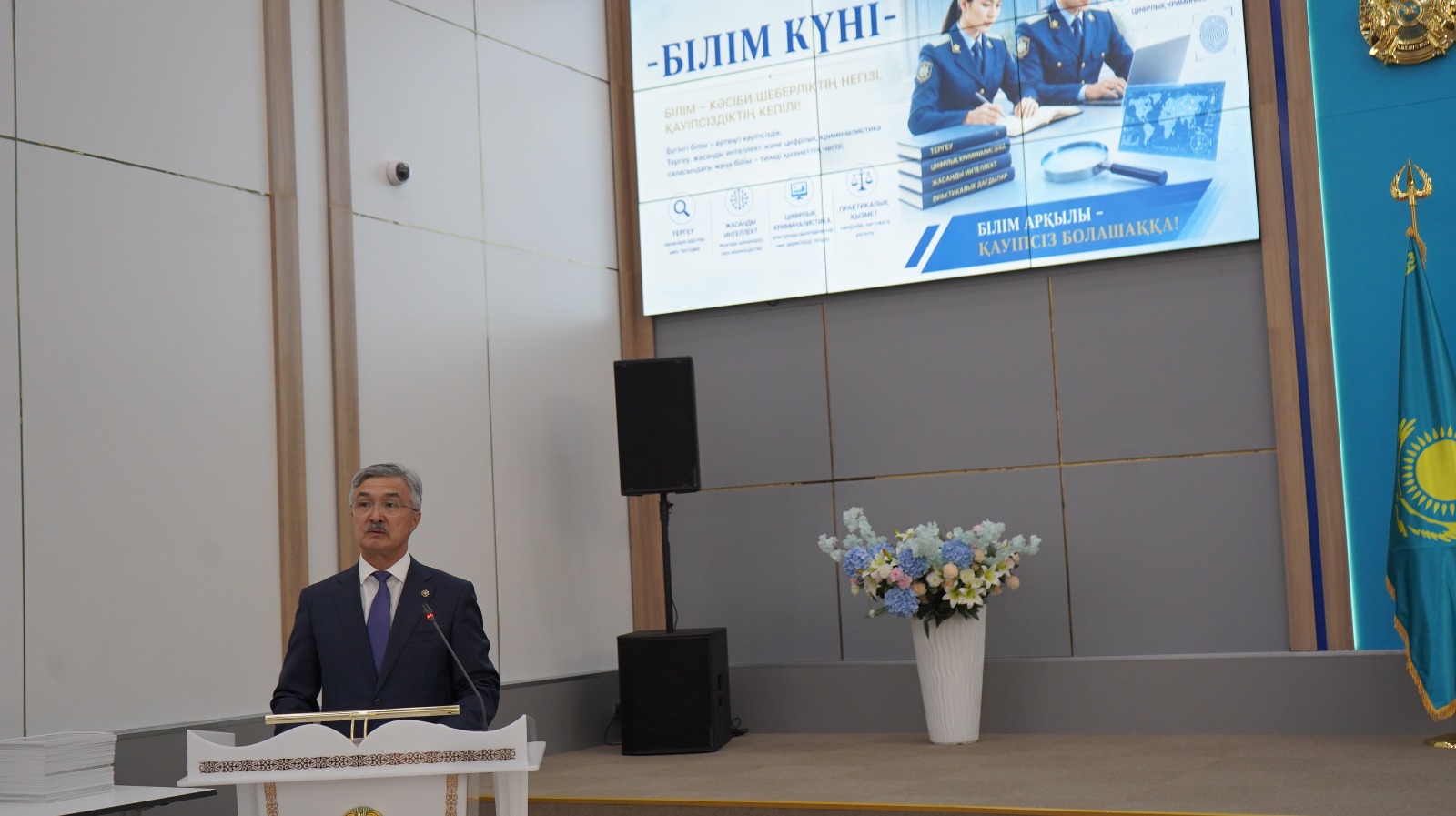
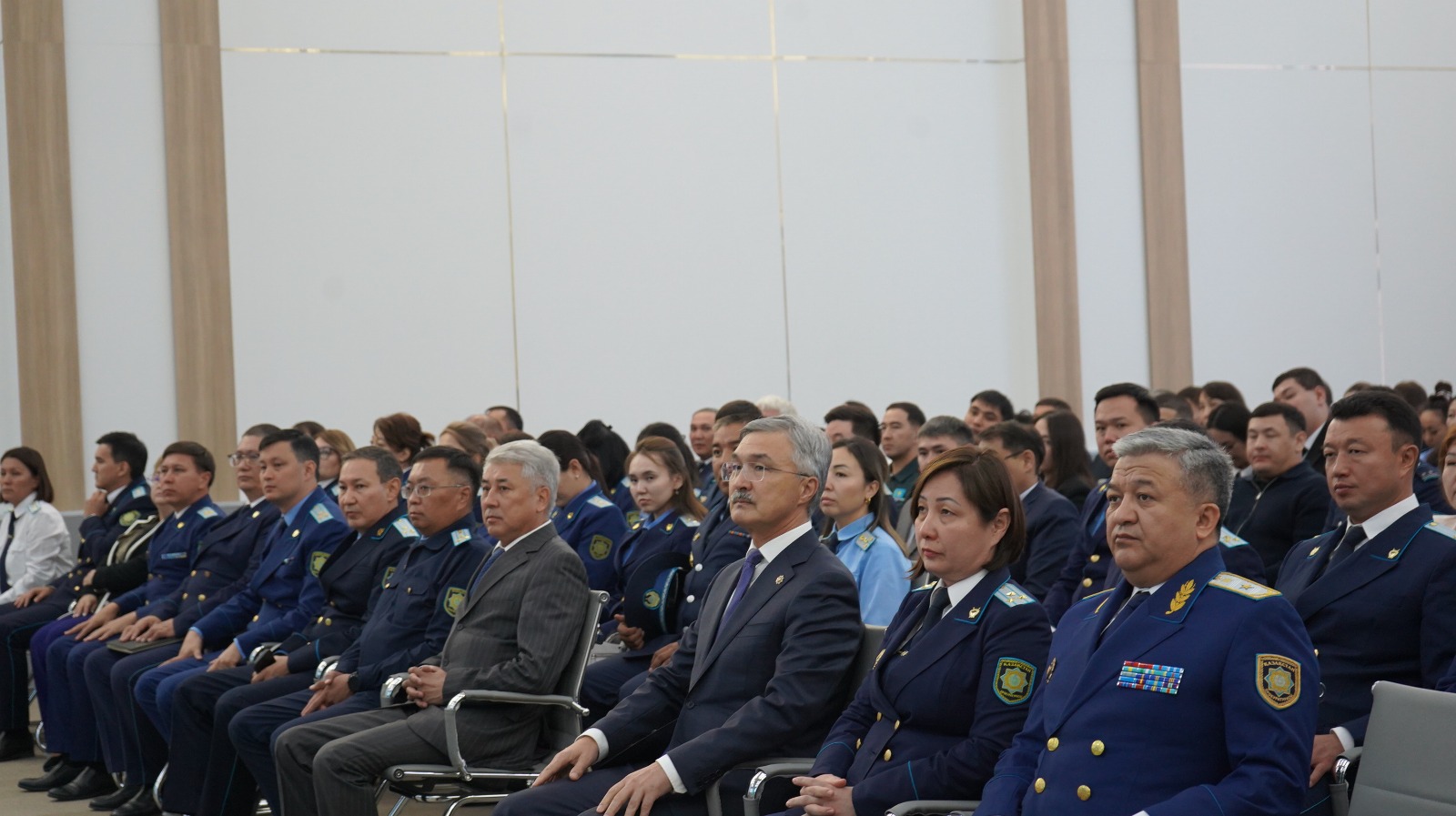
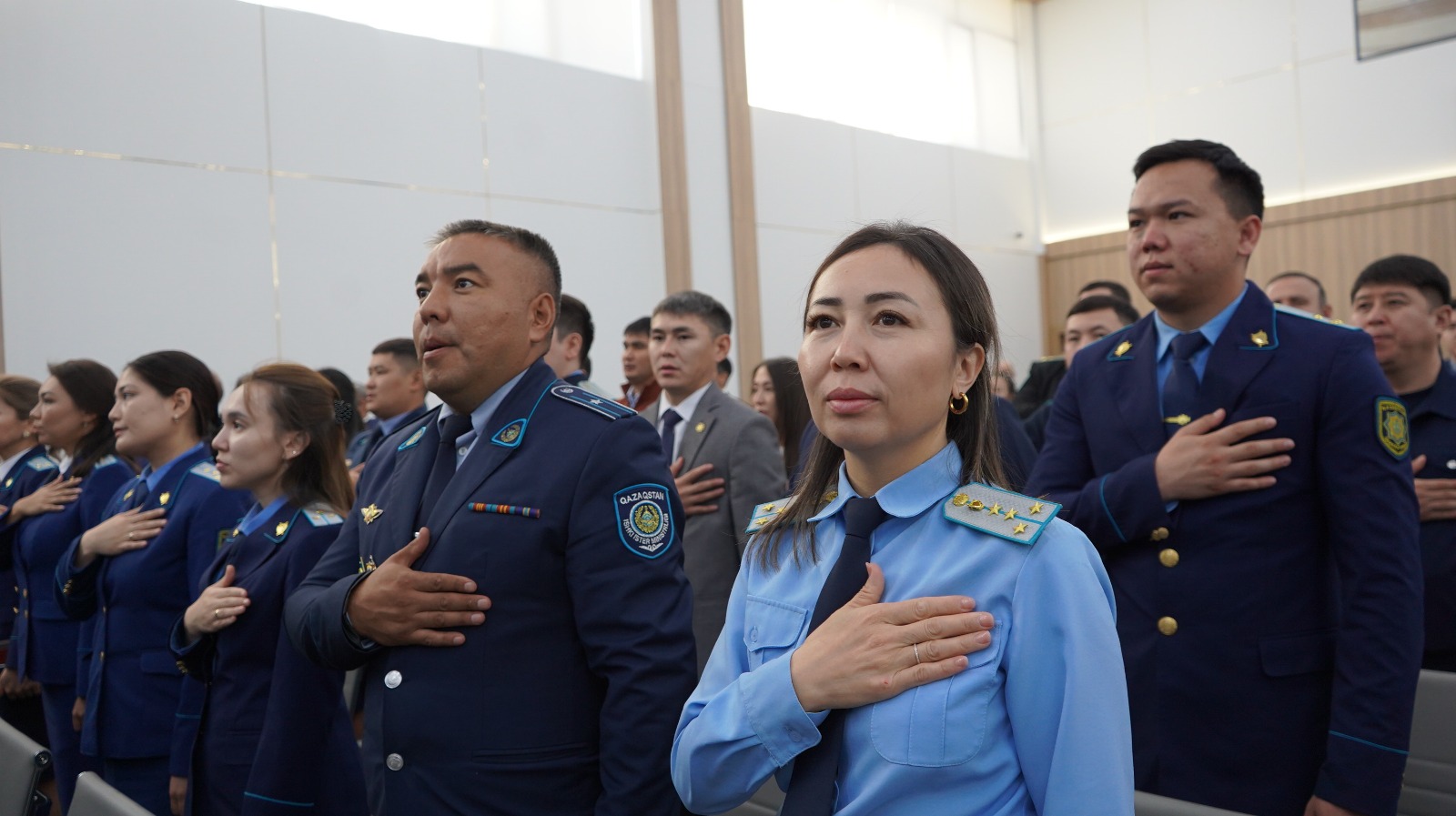
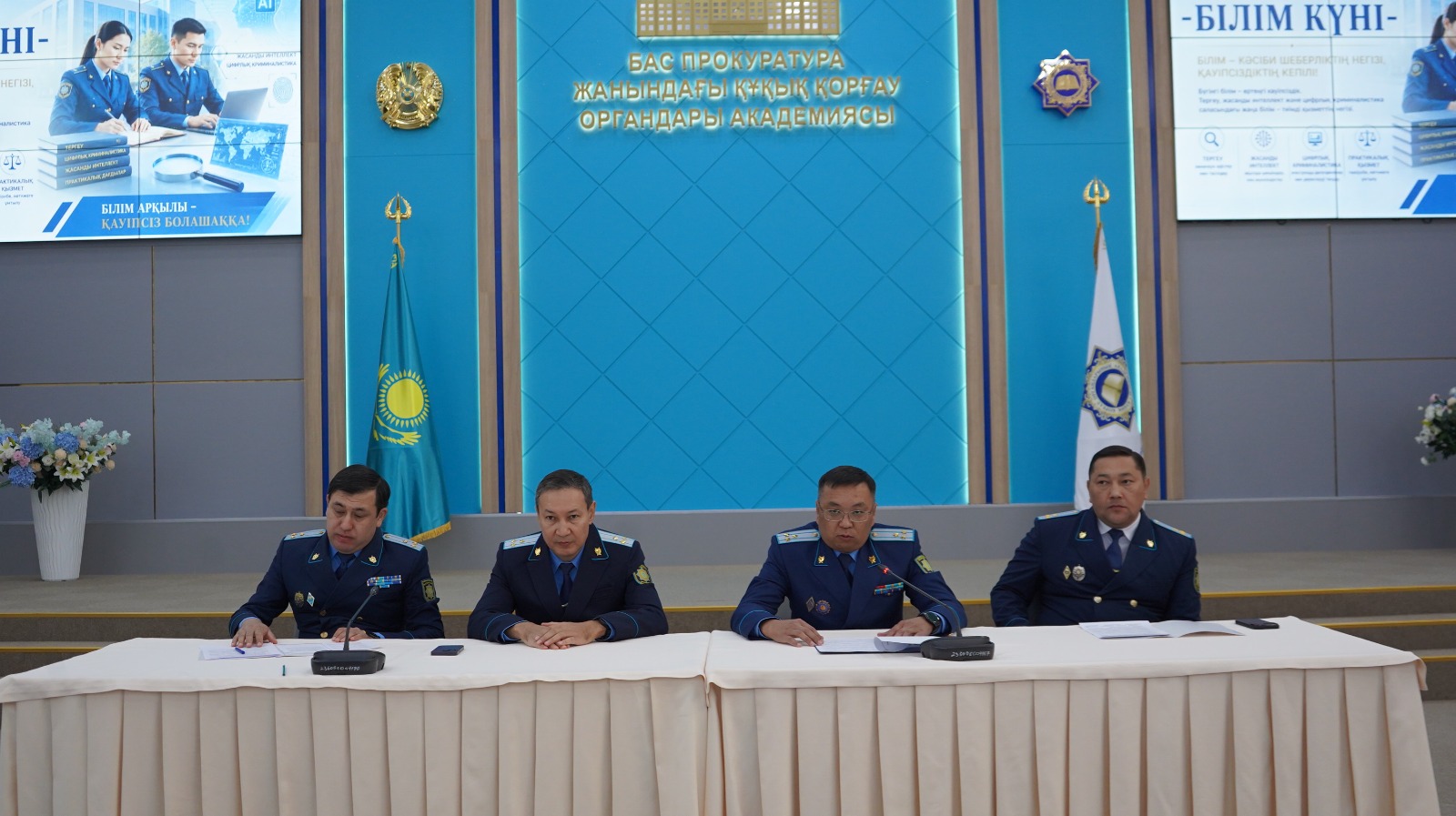
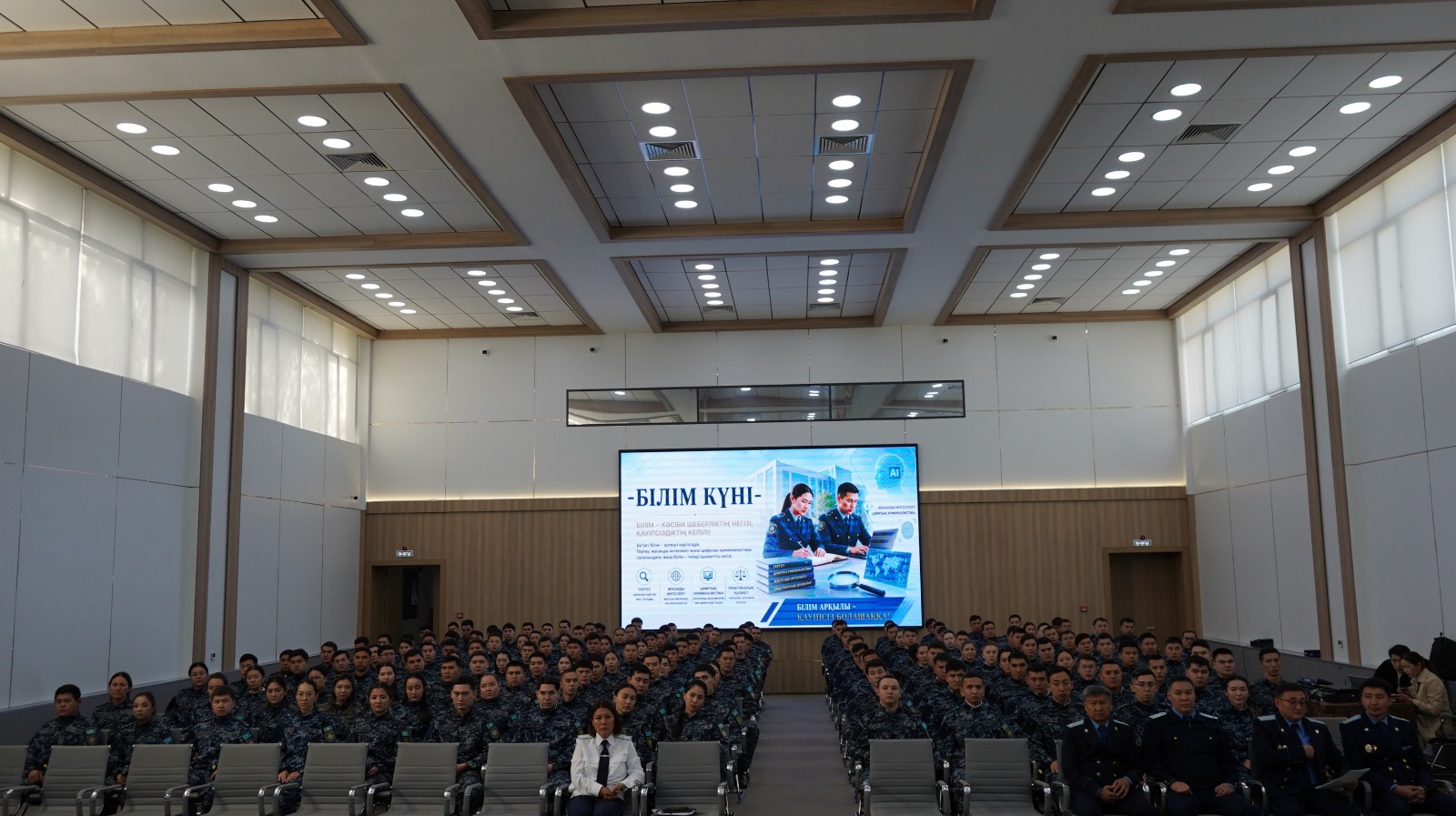
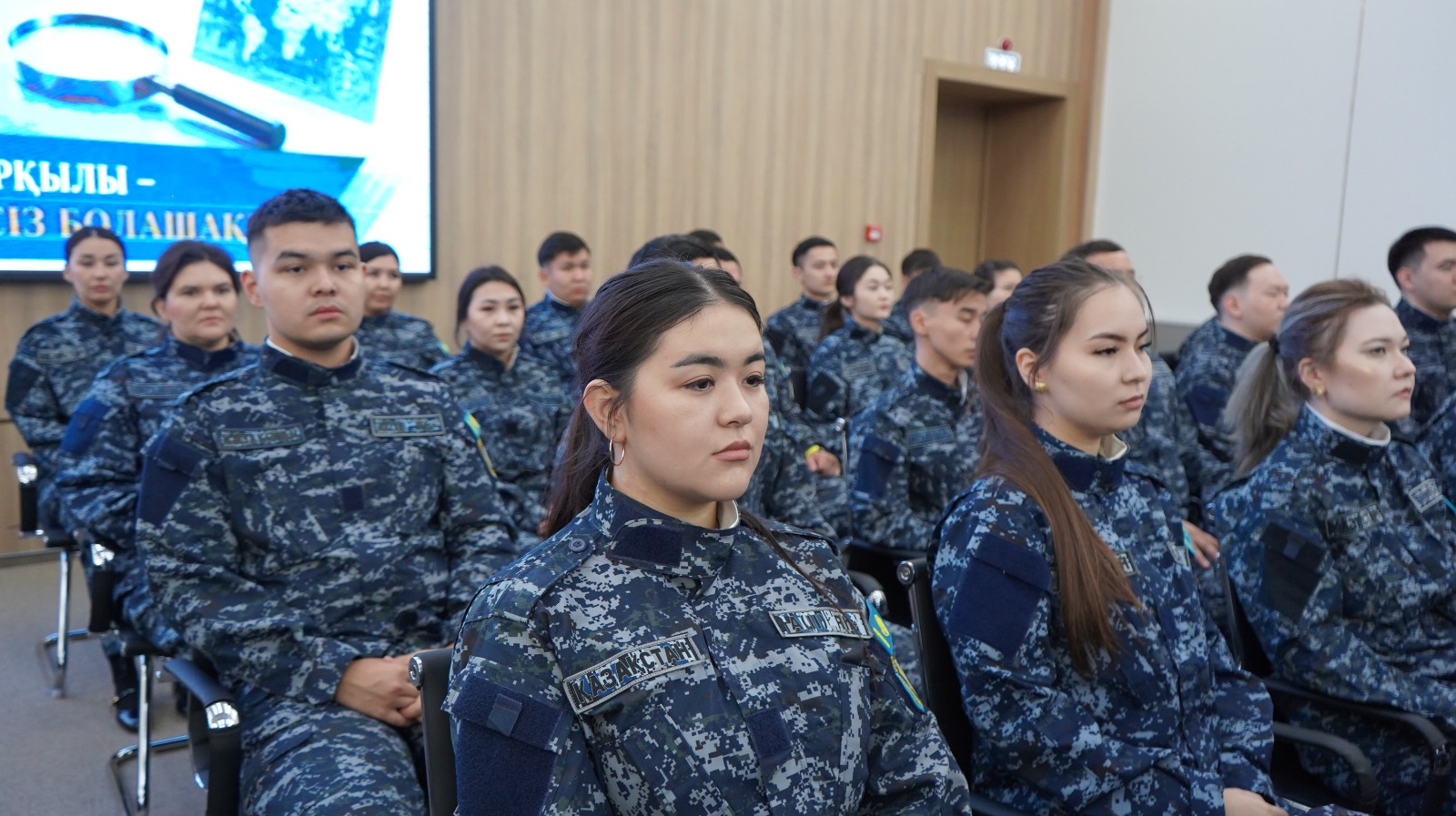
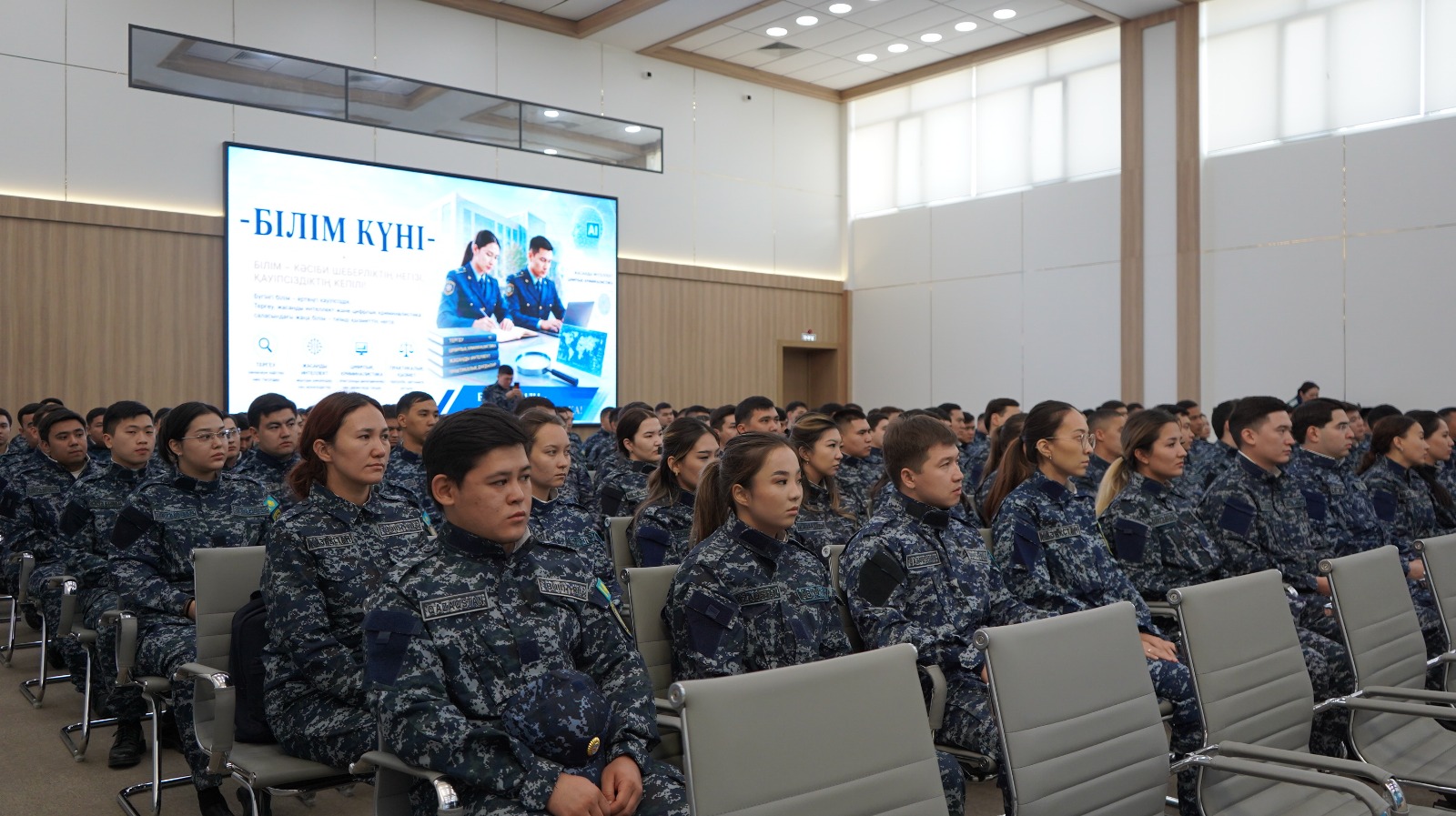
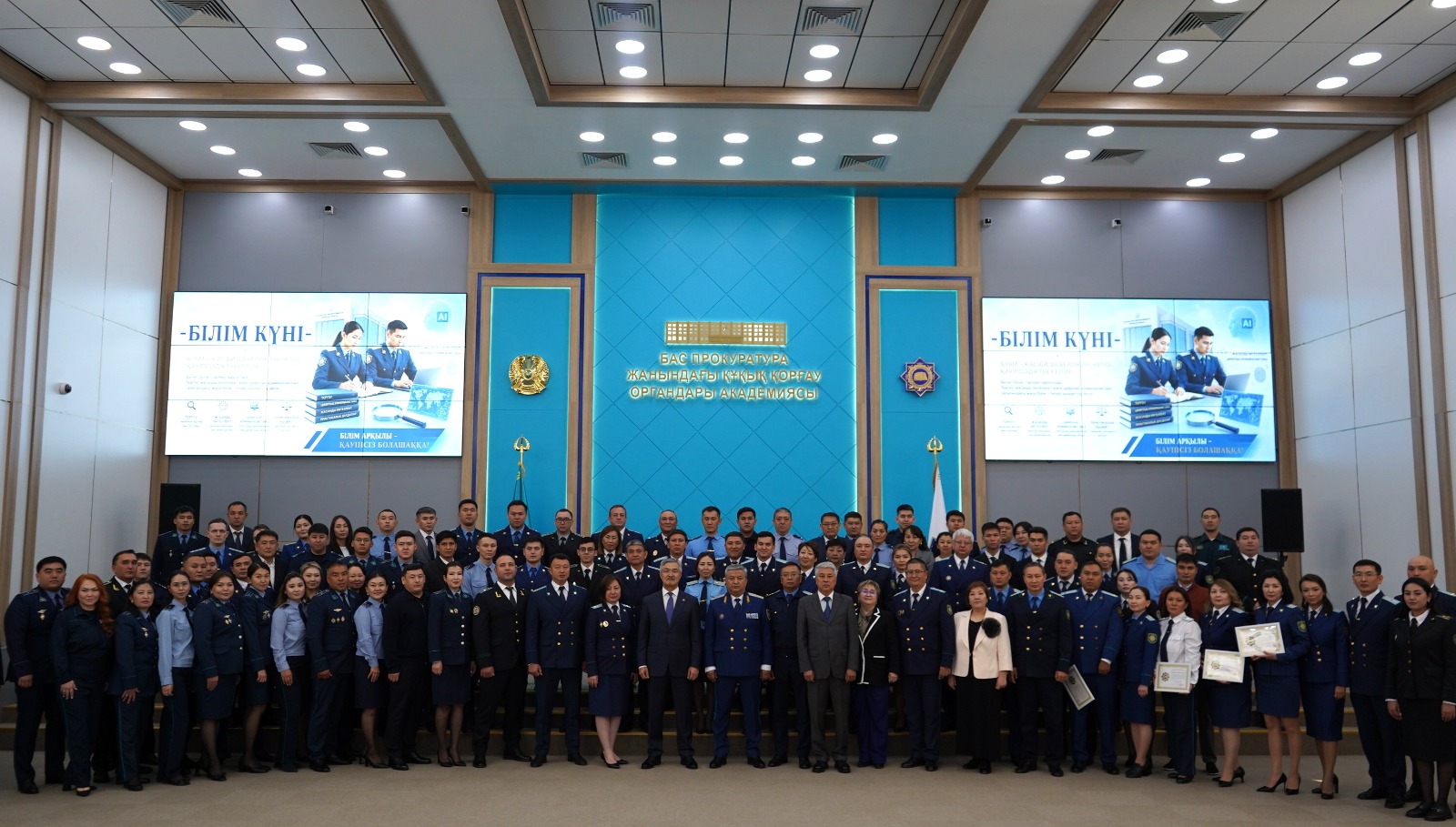
A new academic year has begun at the Academy of Law Enforcement Agencies under the Prosecutor General’s Office of the Republic of Kazakhstan.
Studies have been taken up by 170 candidates for service in the prosecution bodies who have been enrolled on initial professional training, together with 68 master’s students and 20 doctoral students.
For the first time, selection was conducted using the “Open Academy” information system, which made it possible to move the main stages of admission into a digital format. A proctoring system is used to ensure the impartiality of the entrance examinations.
The candidates’ professional training will last five months and will conclude with a one-month placement in the territorial prosecution bodies. This format makes it possible to combine the acquisition of theoretical knowledge with its practical application.
Particular attention is given to the practical orientation of postgraduate education. Each master’s and doctoral student is assigned a mentor from among serving practitioners, and a specific work plan is set for their research. This will allow academic work to be directed towards the real tasks of the law enforcement system.
The link between research and practice is already yielding tangible results. Within the Innovation Lab, the Academy has developed 14 applied solutions for law enforcement work. One of them is AirKomek, a digital service created as part of a master’s research project and adopted by the Main Transport Prosecutor’s Office. More than 60,000 citizens use the service every month.
Over the past ten years, 534 law enforcement officers have completed the Academy’s master’s and doctoral programmes. Today this system is developing in line with new requirements for departmental education – digitalisation, the introduction of artificial intelligence, the development of digital forensics and the strengthening of the applied component of research.
The Academy is thus steadily building a single system of professional training, from initial professional education through to master’s and doctoral study, in which knowledge, research and practical experience complement one another.
