
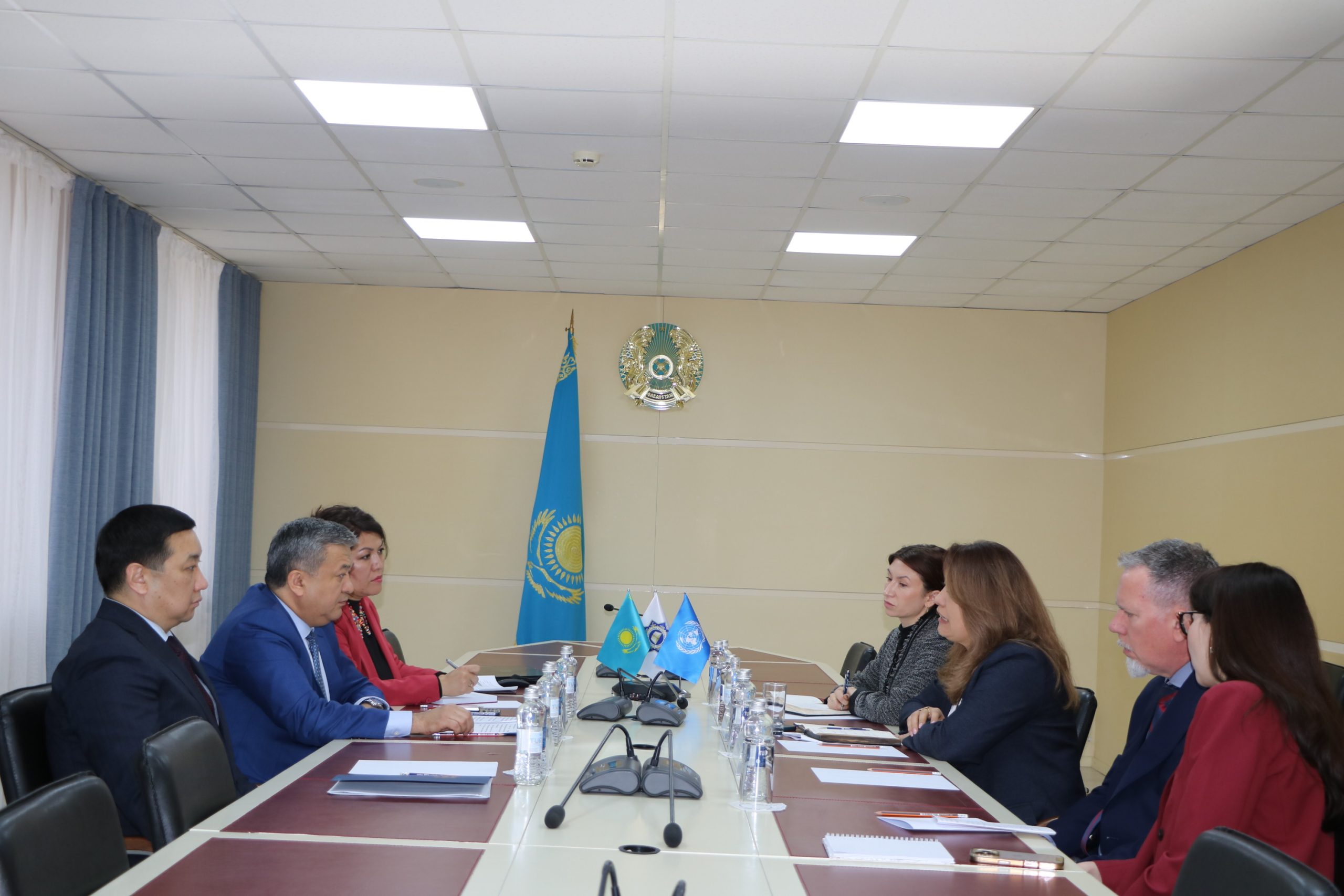
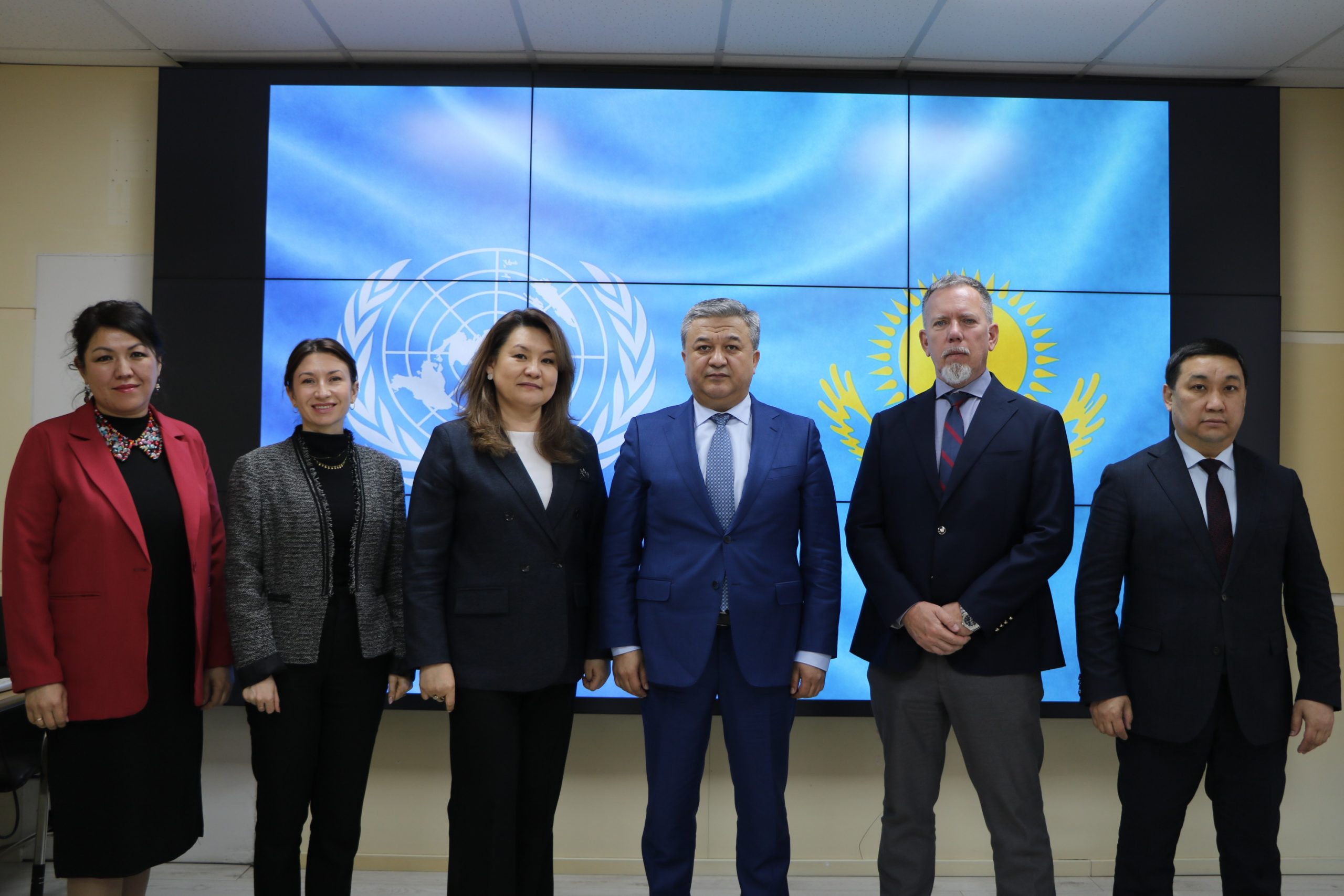
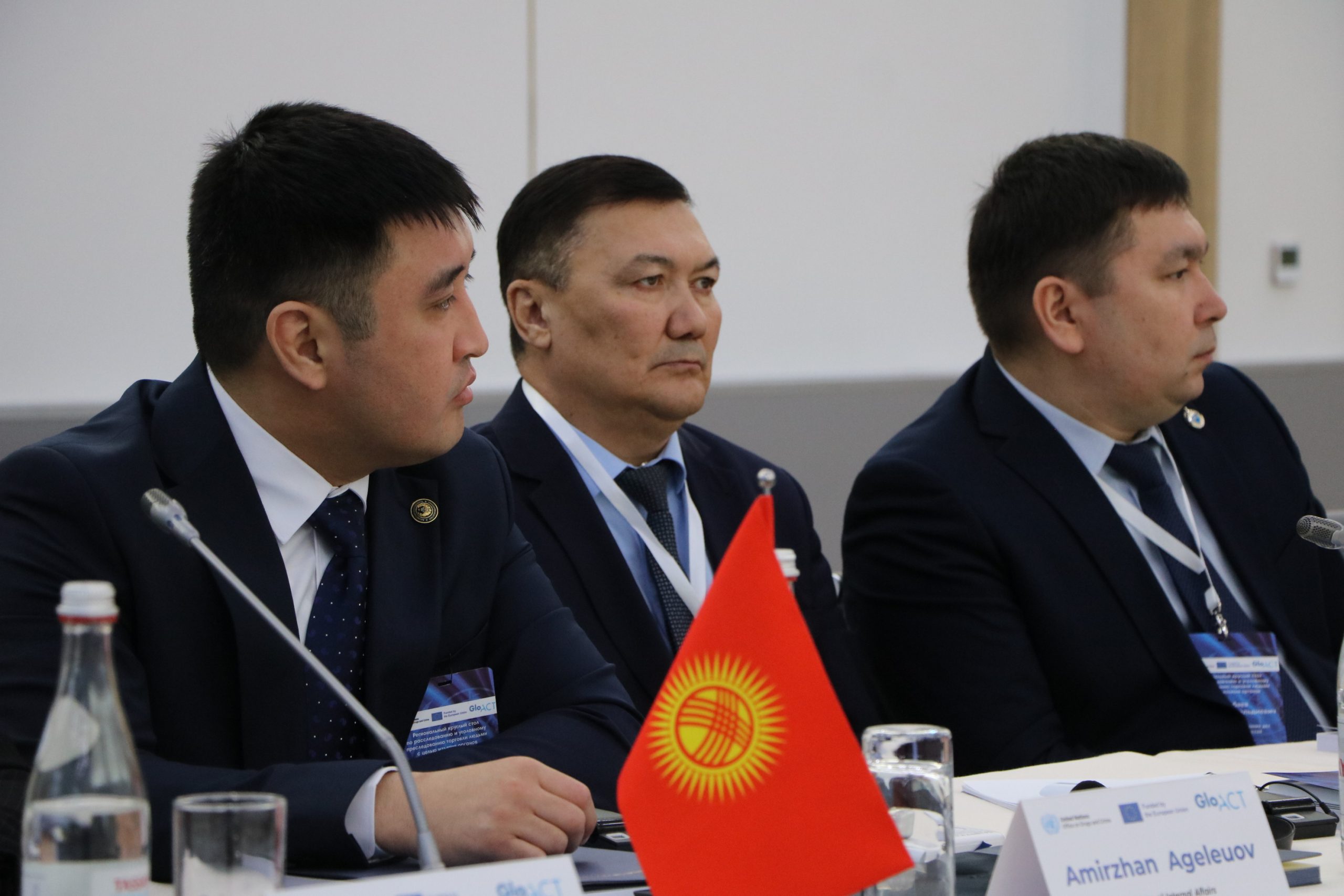
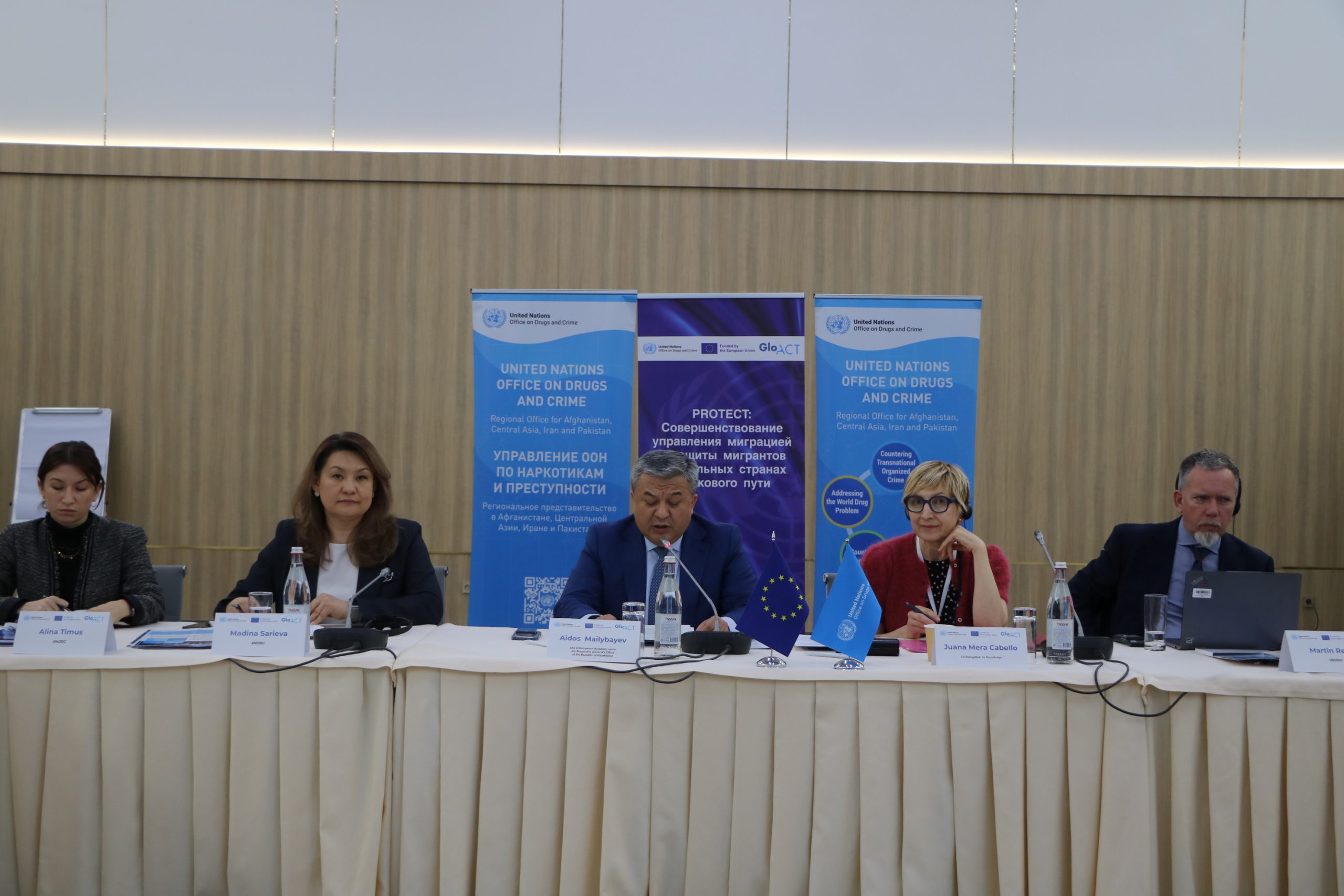
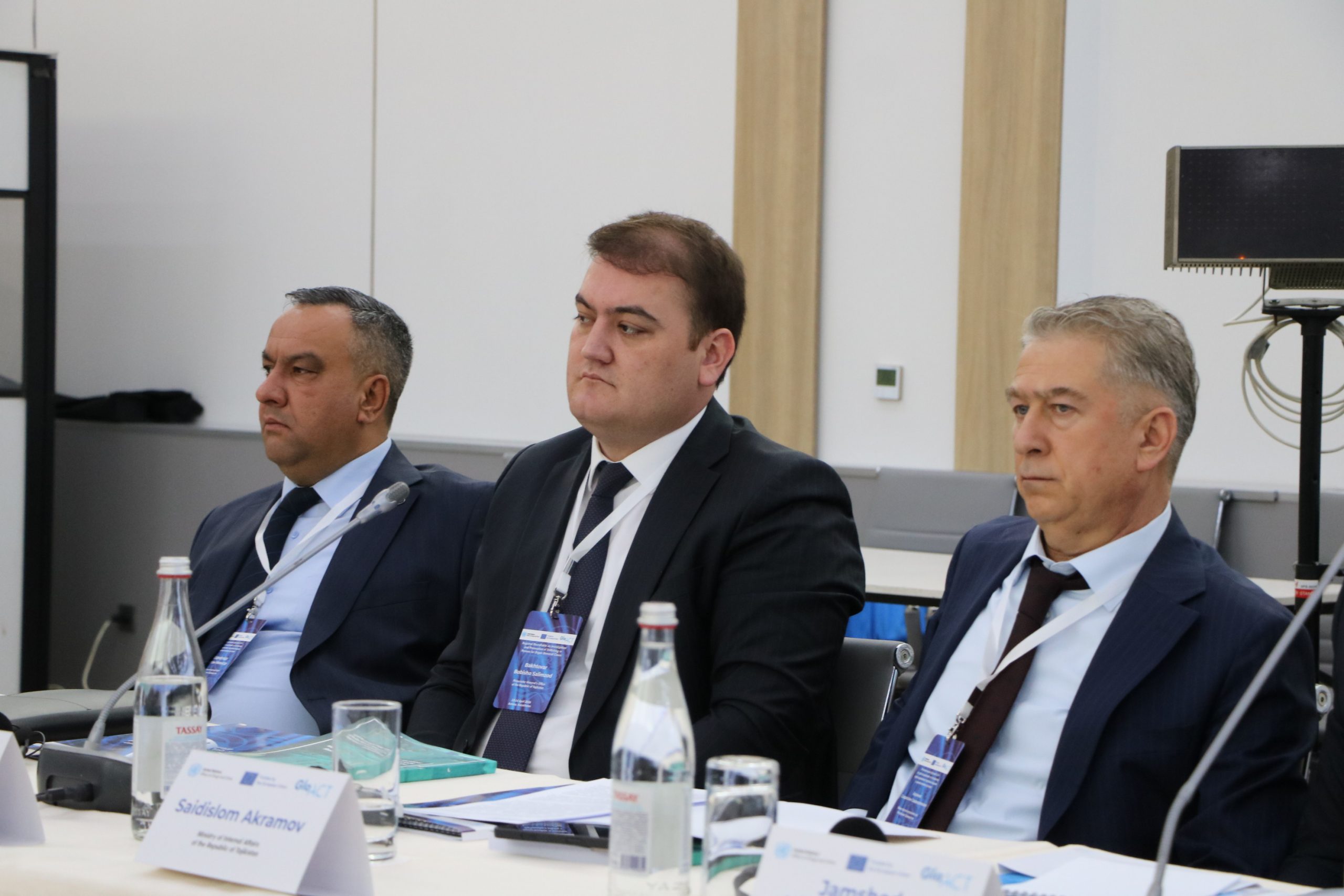
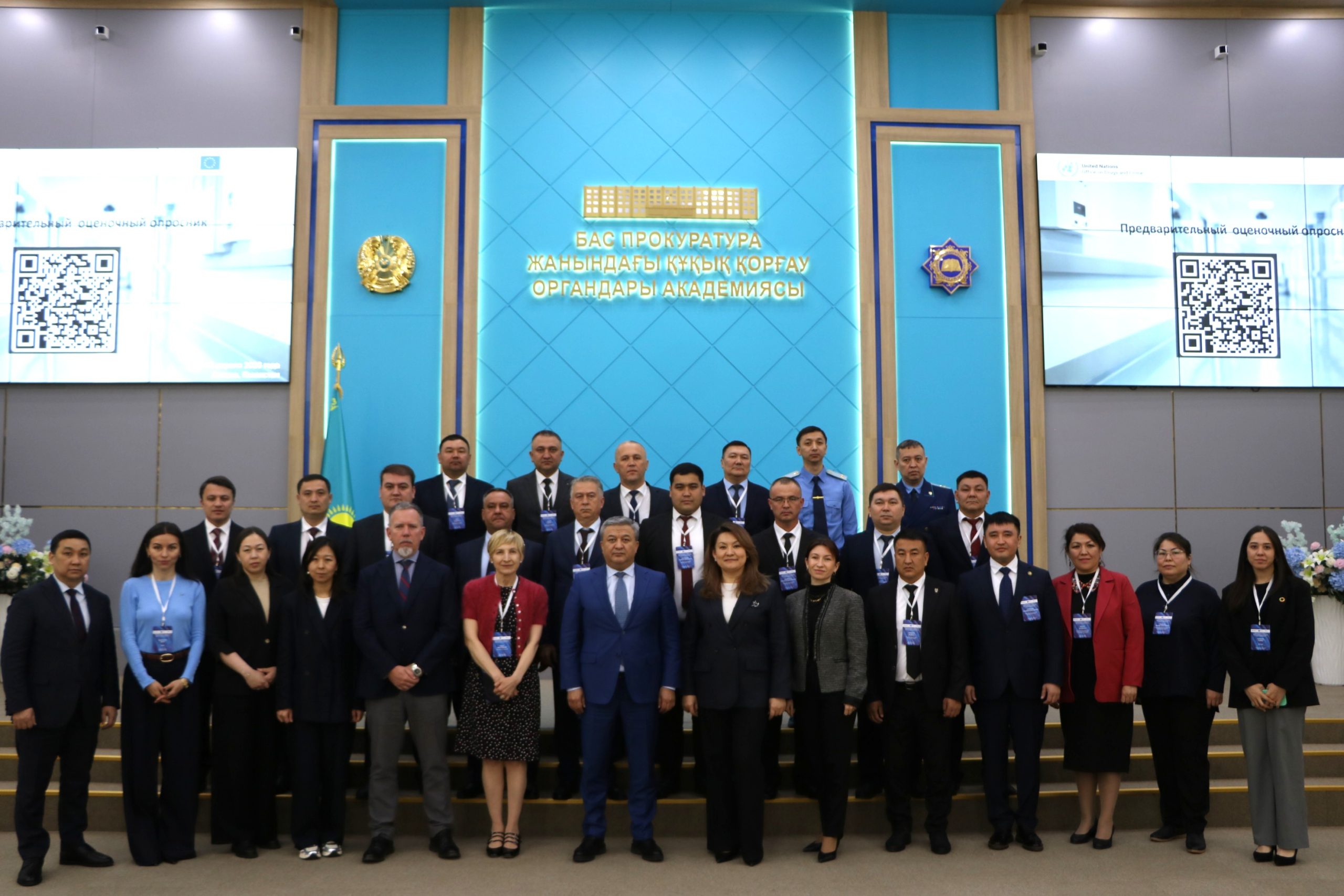
Today, a two-day regional round table on the investigation and prosecution of human trafficking for the purpose of organ harvesting began its work at the Academy of Law Enforcement Agencies under the General Prosecutor’s Office of the Republic of Kazakhstan. The event was organized jointly with the United Nations Office on Drugs and Crime (UNODC) with the support of the European Union.
The work involves delegations from law enforcement and supervisory authorities of Kazakhstan, the Kyrgyz Republic, Tajikistan and Uzbekistan, as well as international experts from UNODC (Vienna).
Human trafficking for the purpose of organ harvesting is recognized as one of the most cynical forms of transnational organized crime. It is characterized by high latency, complex logistics, the participation of medical specialists and shadow financial flows.
As noted by the vice-rector of the Academy, Aidos Mailybayev: “As part of the instructions of the Head of State on the principle of Law and Order, we are obliged to show zero tolerance for any form of crime. Human trafficking is a challenge to the rule of law. Traditional methods are no longer sufficient to uncover such networks. Advanced knowledge, medical specifics of the investigation and international cooperation are required.
The key event of the first day was the presentation of the UNODC Toolkit. Expert Martin Reeve presented a practical guide with algorithms from victim identification to evidence collection and financial investigations.
The representative of UNODC, Madina Sarieva, and the representative of the European Union in Kazakhstan, Juana Mera Cabello, in their speeches highly appreciated the readiness of the Central Asian countries for an open dialogue and the integration of international standards into national investigative practice.
Over the course of two days, prosecutors and police officers will review international cases (including the UK and Thailand), discuss the qualification of crimes, victim protection and the development of legal assistance between the countries of the region.
The Academy of Law Enforcement Agencies strengthens the role of a Regional hub for countering global threats. Its experts and professors act as speakers and moderators, presenting practices of crime qualification and interdepartmental coordination.
